Hychem Hyclad E — Epoxy Polyurea Membrane
Product description
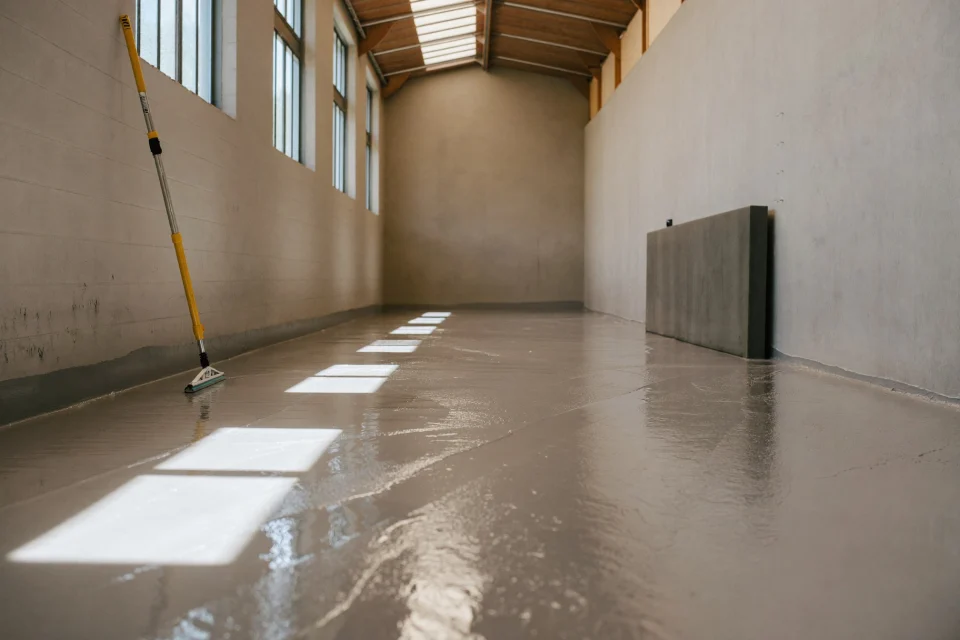
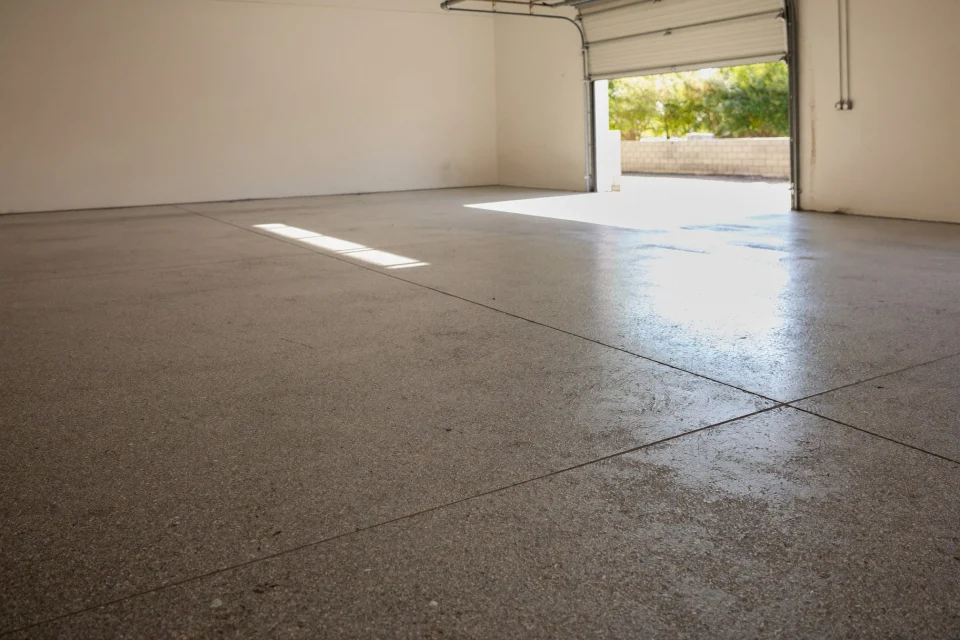
HYCLAD E is designed for use as a liquid applied, heavy duty, wet area waterproof membrane. Hyclad E complies with AS 3740 and AS 4858 as a Class II membrane. Hyclad E is to be used as part of a system to provide waterproofing to seamless resin floors and walls in wet areas.
Typical applications
- Bathrooms
- Laundries
- Showers
- Kitchens
- Plant rooms
- Chemical bunds with suitable Hychem top coat
Features and benefits
- Long pot life
- Easy hand & spray application
- Adhesion to concrete
- Convenient mix ratio
- Impact resistant
- High resistance to water, bleach and detergent solutions
- Moderate resistance to dilute mineral acids
- Moderate resistance to petroleum oils & fuel
- Very low water vapour transmission
- Compatible with range of Hychem recommended products
Approvals and certifications
- Passes requirements for AS/NZS 4858 Wet area membranes
- ASTM D3960-05 Standard Practice for Determining Volatile Organic Compound (VOC) Content of Paints and Related Coatings. ASTM D3960 as detailed for paints as well as South Coast Air Quality Management District (SCAQMD) Rule 1168
- APAS 4003/LMU — Class II Membrane
- Green Star Interiors V1.3-12.1.1B — Green Building Council of Australia
- Green Star Interiors V1.3-13.1.1B — Green Star & As Built
- CRF Compliant
Application guidelines
Summary from the data sheet — follow the PDF on site.
Surface preparation
Prior to the application of Hychem Hyclad E, the substrate must be thoroughly prepared.
- The substrate must be firm, clean and dry with a compressive strength of 25 MPa and a minimum surface tensile strength of 1.5 MPa.
- New concrete must be allowed to cure for a minimum of 28 days and moisture content in concrete must be below 5%.
- Remove all surface laitance, contaminants, existing coatings, curing compounds and any weak or loose materials.
- Hychem Hyclad E should always be installed over suitable substrates which have a recommended Hychem primer applied with the relevant method of preparation prior.
Pre-conditioning product
It is important to note that even when the application environment is warm, products which have been stored in cold or cooler conditions should always be pre-conditioned ideally to 20-25°C to ease mixing.
Mixing
In a clean container, mix Hychem Hyclad E Part A Resin & Part B Hardener at 1:1 by volume using a mechanical stirrer at slow speed. Move the mixer around from side to side and top to bottom and scrape the sides of the mixing vessel to ensure thorough mixing.
Application
Apply Hychem Hyclad E to achieve minimum 1mm total thickness. This is achieved by applying 1 coat by notch trowel at minimum 1L/sqm or 3 coats at a coverage of 0.33L/sqm per coat by brush or roller e.g. to vertical surfaces. Apply each coat at 90 degrees to the previous coat. Note: For compliance with certified waterproofing of domestic wet areas, Hyclad E must be applied and detailed in accordance with AS3740. This includes but is not limited to, specific film builds and the use of bond breakers suitable for a Class II membrane.
Application information
| Mix Ratio (Part A to Part B) | 1 : 1 by volume |
|---|---|
| Relative Air Humidity | < 75 % RH |
| Pot Life / Working Time @ 23°C | 40 minutes |
| Recoat Window | 6 – 24 hours |
| Packaging | 8L kit · 40L kit |
| Consumption (at 1mm) — 8L kit | 8 sqm |
| Consumption (at 1mm) — 40L kit | 40 sqm |
| Clean Up | Xylene (Solvent X) or isopropanol (Solvent IPA) can be used for cleaning tools and equipment before the mixed compound begins to harden. |
| Application Temperature | 10 °C to 35 °C |
| Cure Time – Pedestrian | 24 hours |
| Cure Time – Mechanical | 48 hours |
| Cure Time – Full Chemical | 7 days |
Environmental conditions
Temperature and the surrounding atmospheric conditions will play a part in the curing process of all resin products. Under conditions of low temperatures and high humidity the final cured surface finish can be adversely affected, potentially resulting in poor gloss retention, discoloration over time, poor overcoat ability and inter-coat adhesion. Quite often these conditions will result in the formation of a white film over the surface, often evident after contact with water. If this occurs, the existing coating will need to be abraded to completely remove the affected surface to ensure the adhesion of subsequent applications. In some cases, partial or complete re-priming may be necessary. Attention also needs to be paid to the substrate temperature, which should be at least 3-5 °C above the dew point during the curing phase. Industry standards recommend the accurate recording of environmental conditions such as substrate and air temperatures, humidity levels and dew point readings during both the application and curing processes. Full material warranties cannot be provided unless all the relevant data has been recorded accurately. If in doubt consult the HYCHEM technical department for advice.
Safety precautions
Epoxy polymer products may cause allergic reactions through skin contact. Goggles and protective gloves and clothing should be worn at all times. Ensure that there is adequate ventilation and air flow and avoid breathing the vapour. If skin contact occurs wash skin with soap and water. If eye contact occurs wash immediately with copious amount of clean water.
Shelf life
24 months from date of manufacture, stored under shelter at 23°C in original un-opened container.
Warning — Environmental Conditions
Temperature and the surrounding atmospheric conditions will play a part in the curing process of all epoxy products. Under conditions of low temperatures and high humidity the final cured surface finish can be adversely affected potentially resulting in poor gloss retention, discoloration over time, poor overcoat ability and inter-coat adhesion. Quite often these conditions will result in the formation of a white film over the surface, often evident after contact with water. This chemical reaction with the atmosphere is commonly referred to as "amine bloom" or "amine blush". If this occurs, then the existing coating will need to be abraded to completely remove the affected surface to ensure the adhesion of subsequent applications. In some cases, partial or complete re-priming may be necessary. To minimise an unsatisfactory cure, the following indicative application conditions should be observed with respect to temperature and humidity levels: 21°C and less than 85% humidity; 10°C and less than 75% humidity. Attention also needs to be paid to the substrate temperature which should be at least 3-5°C above the dew point during the curing phase. Industry standards recommend the accurate recording of environmental conditions such as substrate & air temperatures, humidity levels and dew point readings during both the application & curing processes. Full material warranties cannot be provided unless all the relevant data has been recorded accurately. If in doubt consult the Hychem technical department for advice.
Technical data
| Property | Value | Unit / method |
|---|---|---|
| Composition | Polyurea Modified Epoxy Membrane (2-part) | |
| Colour | Non-descript light grey | |
| Solids Content | 100 | % |
| VOC Content | 9 | g/L |
| Service Temperature | Up to 65 °C |
From the technical data sheet, updated .
Physical properties
| Property | Value | Unit / method |
|---|---|---|
| Tensile Strength | 3.2 MPa @ 23 °C | |
| Elongation | 118 % @ 23 °C | |
| Adhesion | >3 | MPa |
| Water Vapour Transmission | 1.2 g/m²/24hrs | |
| Water Absorption | 1.6 | % |
From the technical data sheet, updated .
Chemical resistance
The chemical resistance of a material can be determined by the weight gain of a sample immersed in the chemical. The greater the weight gain, the poorer the resistance of the material. A value of 100 is equal to an absorption gain of about 3% after 7 days immersion.
| Chemical | Weight-gain index |
|---|---|
| 10% Hydrochloric acid | 110 |
| 50% Sodium Hydroxide | 10 |
| 10% Ethyl alcohol | 125 |
| Petrol | 800 |
| Xylene | 2000 |
| Water | 50 |
| Detergent | 150 |
| Bleach | 75 |
Questions about Hychem Hyclad E
Which standards does Hyclad E meet?
It complies with AS 3740 and AS/NZS 4858 as a Class II wet-area membrane, with a VOC content of 9 g/L.
Can it go under a resin floor?
Yes. Hyclad E is designed to be used as part of a system that waterproofs seamless resin floors and walls in wet areas.
Can it line a chemical bund?
Yes, with a suitable Hychem topcoat. On its own it resists water, bleach and detergent solutions well, and dilute mineral acids, oils and fuel moderately.
Where is Hychem Hyclad E used?
Hychem Hyclad E is used for: Bathrooms; Laundries; Showers; Kitchens; Plant rooms; Chemical bunds with suitable Hychem top coat. See Wet area flooring and waterproofing.
Where is the Hychem Hyclad E data sheet?
Download the Hychem Hyclad E technical data sheet (PDF), edition 20 July 2026. For the safety data sheet, request it and we send it the same day.
Who installs Hychem Hyclad E?
Hychem Hyclad E is supplied by Hychem and laid by an approved applicator from our national network — jobs of any size, in every state. How supply and installation works.
Similar systems
Other Waterproofing systems for wet areas.
- Hychem DeckproofTrafficable waterproof membraneView system Data sheetFast cure
- Hychem Deckproof PU-2-SLExternal Trafficable Waterproofing MembraneView system Data sheetAS certifiedSlip resistant
- Hychem Deck-Seal, Deck-Tuff or Hychem Deck-ProofTrafficable deck coating and waterproofing systemsView system Data sheetFast cureSlip resistantUV stable
Guides to read next
Waterproof epoxy flooring: all you need to know
Epoxy floors have been a popular choice of flooring in the home or in businesses, for many years.
How to keep an epoxy floor clean and shiny
If you’ve got an epoxy floor in your residential, industrial, or commercial property, it’s good to learn how to best clean and maintain its shine to keep it in top condition.
Polyaspartic vs epoxy flooring: the difference
Short answer: epoxy builds a thick, chemical-resistant floor at a lower cost; polyaspartic cures in hours and does not yellow in sunlight.