Systems explained
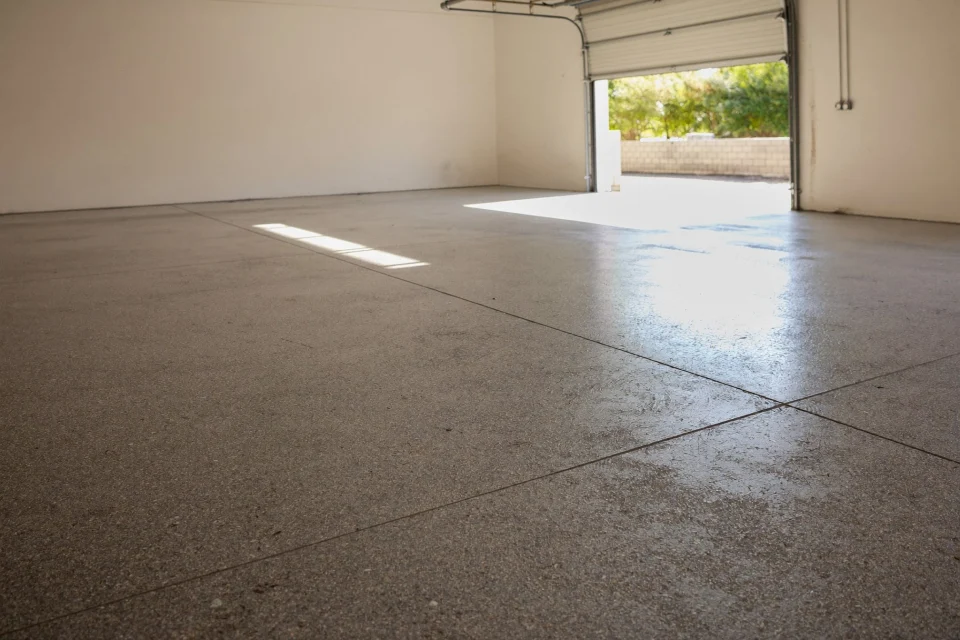
Waterproof epoxy flooring: all you need to know
Epoxy floors have been a popular choice of flooring in the home or in businesses, for many years.
Polyaspartic vs epoxy flooring: the difference
Short answer: epoxy builds a thick, chemical-resistant floor at a lower cost; polyaspartic cures in hours and does not yellow in sunlight.
Epoxy vs polyurethane flooring: what is the difference?
Short answer: epoxy is harder and builds thickness, so it suits heavy-wear floors and base coats; polyurethane is more flexible and UV-stable, so it suits topcoats and floors that see sunlight or temperature change.
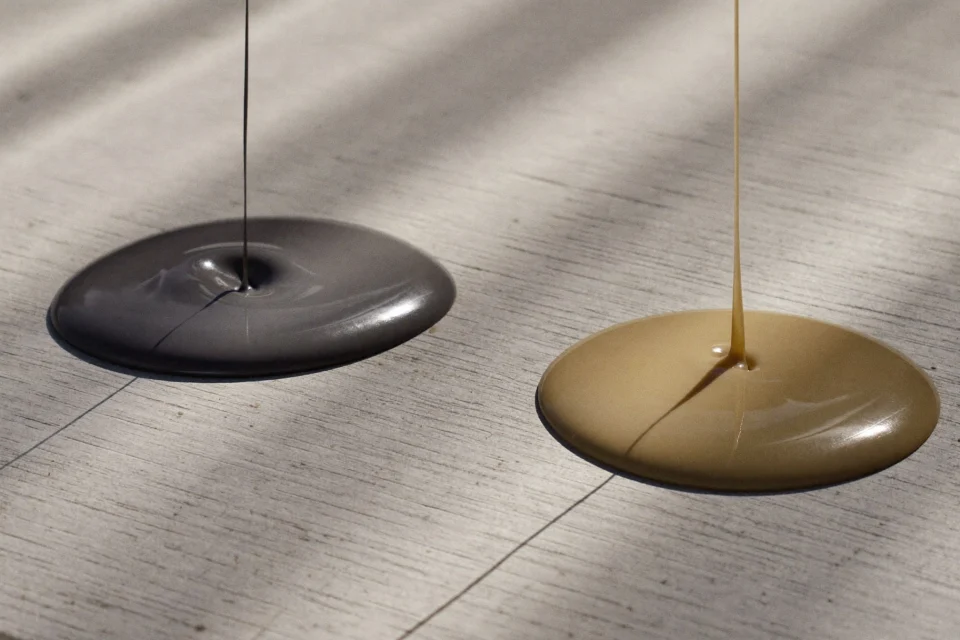
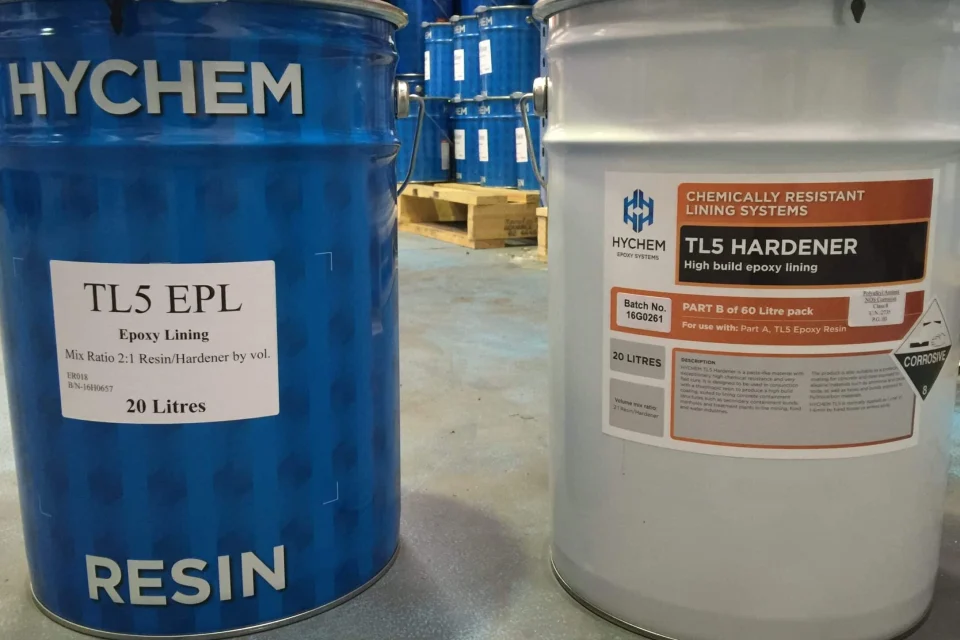
What is two-part epoxy resin?
When it comes to epoxy resins there are a number of options available.
Will PMMA revolutionise the future of Aussie concrete coatings?
Poly (Methyl Methacrylate) or PMMA as it is known throughout Europe and North America is the ultimate fast curing concrete waterproofing system on the market.
The evolution of concrete protection
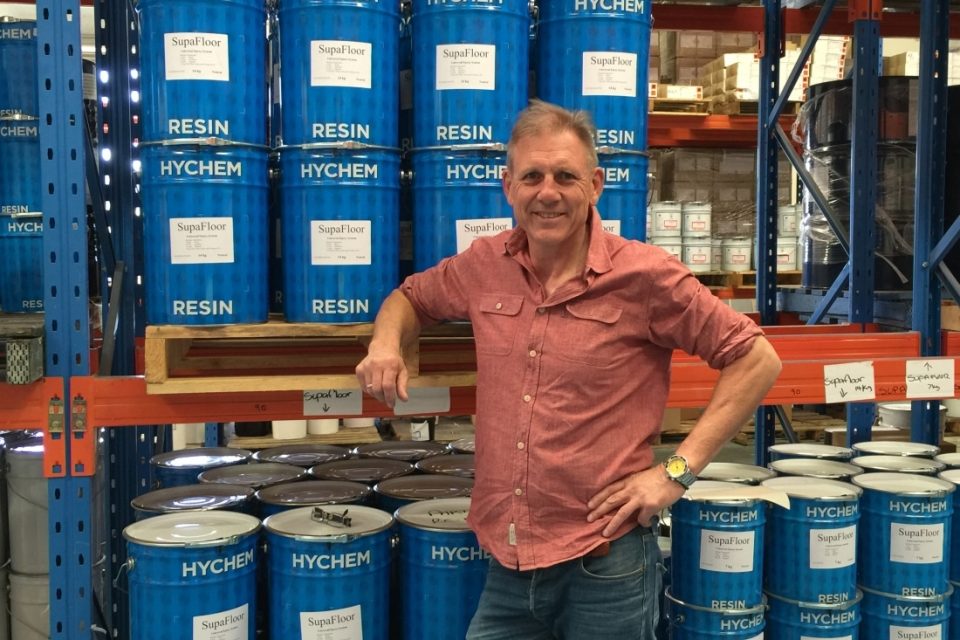
Ludvik Kovacic, Managing Director at Hychem, looks back on 20 years of concrete protection and the fast-curing, long-life products it led to.
What are the differences between epoxy, MMA and polyurethane coatings?
Here is a breakdown of the curing properties, applications and characteristics of each concrete protection system, to help you make better informed decisions when choosing your next coating solution.
Carpark sealing with old school epoxy – still can’t be beaten
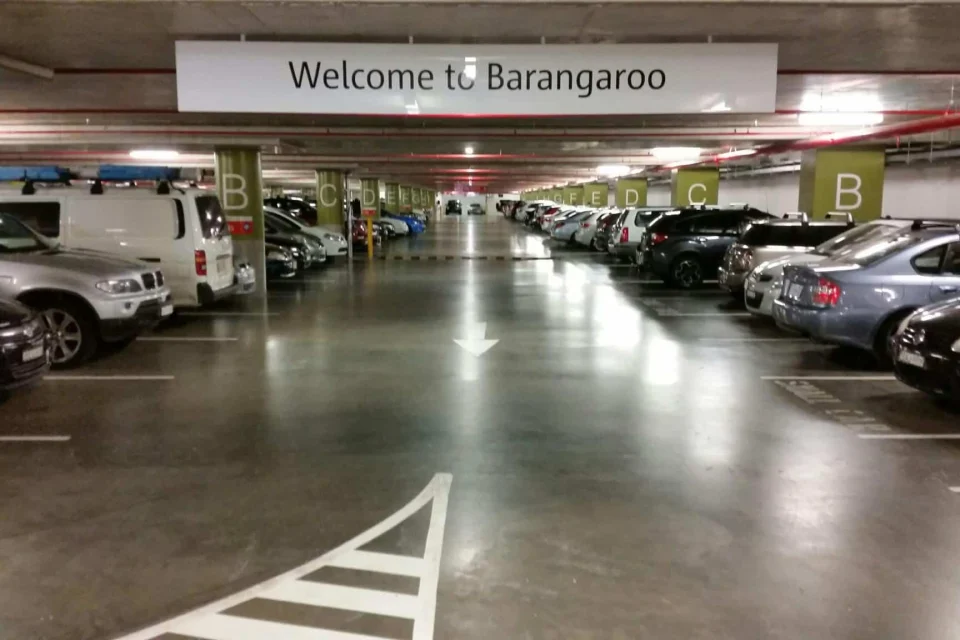
When sourcing the concrete sealant for a two-storey carpark at Sydney’s new Barangaroo South development, Lend Lease chose a two-part epoxy which after 30 years is still the best on the market.
The odds are stacked against PVC
“Many of the by-products of the PVC lifecycle are now ubiquitous global pollutants, which can be found not only in industrialised regions but in the planet’s most remote ecosystems.
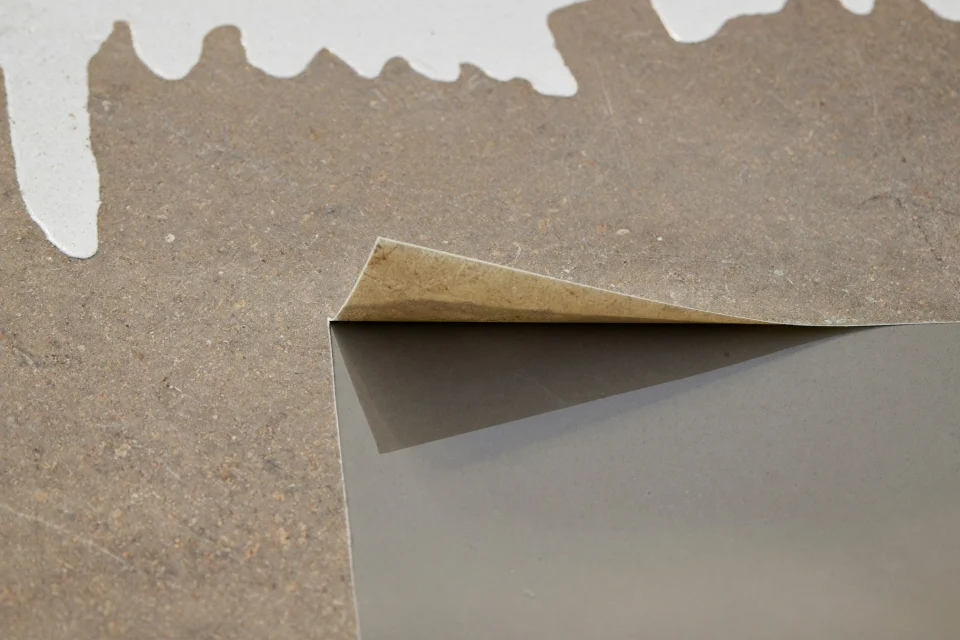
What lies beneath? Uncovering the truth about vinyl
Polyvinyl Chloride, commonly known as PVC or vinyl is used extensively throughout Australia.