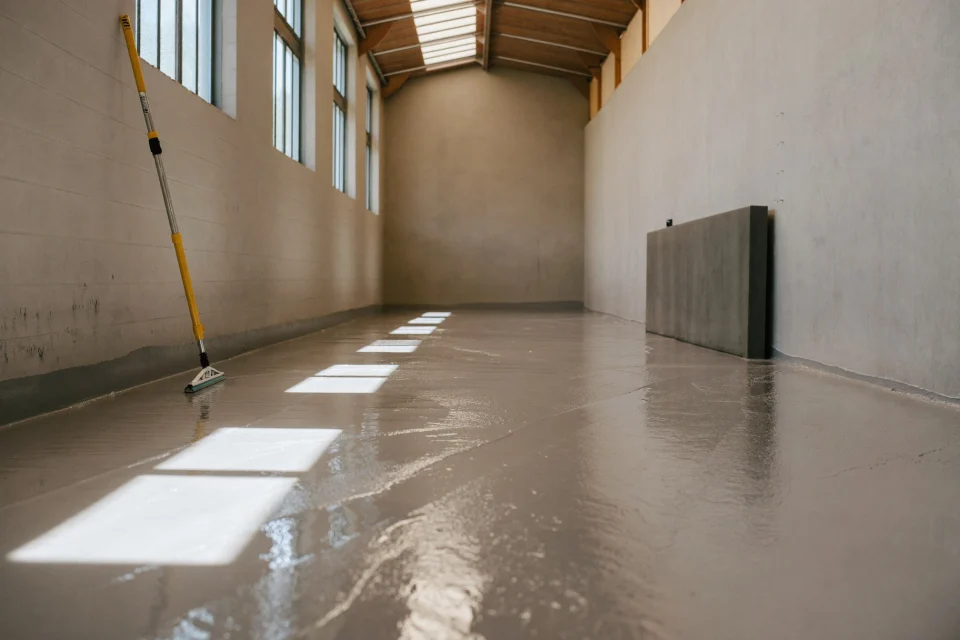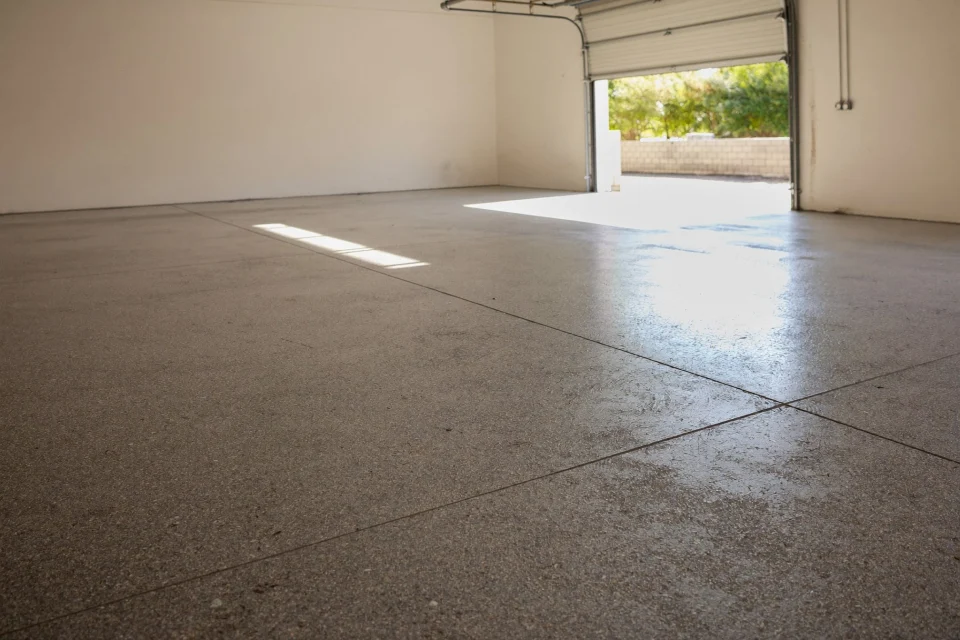
Hychem 266ESD LD — Conductive antistatic epoxy floor system, thin film, 2 × 0.2 L/m², for light traffic
Product description
The Hychem 266ESD LD system: a complete, Australian made thin film conductive antistatic floor for light traffic areas requiring a low, controlled resistance to earth. Advanced carbon nanotube conductive technology carries static to earth through the coating itself, reducing the copper tape and gridding conventional ESD floors depend on, over a dedicated conductive primer plane. Primer, conductive plane and seal coats are matched layer by layer under one specification.
Typical applications
- Electronics manufacturing & SMT
- Data centres
- Cleanrooms & pharmaceutical
- Defence & aerospace
- Fire & explosion risk areas
- Munitions & solvent stores
- Hospitals & laboratories
- Equipment rooms
Features and benefits
- Conductivity built in, not taped on — Advanced carbon nanotube technology reduces the requirement for copper tape and gridding. Simpler to install, and far easier to achieve a uniform, compliant result across the area.
- Supplier support is built in — An ESD floor is only as good as its testing. On every job, resistance to earth is verified between coats, not just at handover, with a local Hychem technical rep on site and ITPs for sign-off.
- Australian made, locally stocked — Manufactured at Smeaton Grange NSW with full local testing and technical support. No import lead times or offshore stock risk on programme critical works.
- One system, single accountability — Primer, conductive plane and seal coats are chemically matched slab to surface, supplied by a single manufacturer under a single specification.
Approvals and certifications
- IEC 61340-4-1
- IEC 61340-5-1
- DIN EN 1081
- DIN ISO 4624 adhesion
- DIN EN ISO 5470-1 abrasion
- AS/NZS 4586 slip resistance
- ISO 9001 manufacture
Application guidelines
Summary from the data sheet — follow the PDF on site.
System build-up
Five layers, slab to surface:
- Concrete substrate — Ground or shot blasted to CSP 2 · 25 MPa min, 1.5 MPa surface tensile
- Hychem GP Epoxy Primer — Seals and keys the substrate · 6 m²/L
- Primer EC, conductive plane — Black conductive layer · 8 m²/L · connected to earth points
- 266ESD TC, first coat — 0.2 L/m² · conductive seal coat · nanotube conductive network
- 266ESD TC, second coat — 0.2 L/m² · aluminium oxide grit as required
Earth points are installed once the primer has cured, before the conductive plane goes down.
Each layer earns its place. The GP Primer seals the slab; Primer EC lays a continuous black conductive plane connected to the earth points; and two coats of 266ESD TC carry charge from the surface down through their carbon nanotube network to that plane. Because the conductive path is in the material itself, the copper tape and gridding a conventional ESD floor depends on is largely eliminated, and with it the most common cause of failed conductivity readings.
The nominated system
| System | LD system, 2 × 0.2 L/m² |
|---|---|
| Build-up | GP Primer + Primer EC + 266ESD TC + 266ESD TC |
| Rated for | Light traffic. Suited to cleanrooms, laboratories, electronics production and light traffic equipment rooms |
| Total build | Two coats of 266ESD TC at 0.2 L/m² each, 0.4 L/m² in total, over the Primer EC conductive plane. |
| Conductivity | Rg ≤ 10⁶ Ω to IEC 61340-4-1 and DIN EN 1081, verified between coats on every project. |
| Earthing | One point per 100 m² maximum and one per slab, joint to joint. One per 50 m² is recommended. See Section 04. |
| Substrate | As a thin film roller coat system, the finish follows the profile of the slab. Repair and level the substrate before priming where a flat finish is required. |
| Finish | Seamless gloss, or customisable anti-slip texture via aluminium oxide grit broadcast into the final TC coat. |
Where an area will carry vehicular or heavier traffic, the 266ESD HD system of GP Primer, Primer EC, 266ESD SL topping at 2 mm and 266ESD TC should be specified instead. Where a dissipative rather than conductive floor is required (Rg ≤ 10⁹ Ω), the Hychem 177ESD RC system should be specified. Neither is included in this standard nomination unless separately specified.
Application sequence
| Step | What it does | Method | Rate / specification |
|---|---|---|---|
| 01 Prepare substrate | Remove laitance, coatings and contaminants | Diamond grind | To CSP 2 · NACE 02203 / ICRI 03732 |
| 02 Hychem GP Epoxy Primer | Seals and keys the substrate | Roller | 6 m²/L · Overcoat within 24 h |
| 03 Install earth points | Once the primer has cured · see Section 04 | Applicator | 1 per 100 m² max · 1 per slab · 40–100 mm off wall |
| 04 Hychem Primer EC | Black conductive plane | Squeegee and back roll | 8 m²/L · Cure min 16 h · overcoat within 24 h |
| 05 Verify resistance to earth | Between-coat conductivity test, documented | DIN EN 1081 | Rg ≤ 10⁶ Ω · ITP hold point |
| 06 Hychem 266ESD TC, first coat | Conductive seal coat | Roller | 0.2 L/m² · Following coat within 24 h |
| 07 Hychem 266ESD TC, second coat | Conductive seal coat, sets colour and slip rating | Roller | 0.2 L/m² · Al2O3 grit as required |
| 08 Final conductivity verification | Hychem rep on site · ITP sign-off for handover | IEC 61340-4-1 | Rg ≤ 10⁶ Ω · Confirms compliance for handover |
| 09 Connect to building earth | Each terminal tied back and certified | Electrical contractor | AS/NZS 3000 · Continuity confirmed and certified |
Do not substitute the build-up. Conductivity is a system property. Consumption rates, layer sequence and earthing layout are set together to achieve the specified resistance to earth. Substituting a layer, a product or a rate compromises the specified performance of the system.
Substrate requirements
Concrete must be a minimum 25 MPa compressive strength with 1.5 MPa surface tensile strength, cured a minimum of 28 days, firm, clean and dry. Prepare by grinding or shot blasting to the appropriate CSP in accordance with NACE 02203 or ICRI Technical Guideline No. 03732. Do not apply over damp surfaces or where rising moisture is present.
Environmental conditions
Apply between 10 and 30 °C with the substrate at least 3 °C above dew point. Observe 21 °C at less than 85 % RH, or 10 °C at less than 75 % RH, to avoid amine bloom. Primer EC applies between 15 and 25 °C at less than 80 % RH, a narrower window than the other layers, so plan works accordingly.
Records and documentation
Substrate and air temperature, humidity, dew point, batch numbers and consumption rates are to be recorded through application and cure. These records, together with the between-coat and final conductivity results, form part of the completed project documentation.
System components
- Hychem GP Epoxy Primer — A general purpose, solvent free epoxy primer that seals the prepared slab and anchors the system. Applied at 6 m²/L. Also used as an epoxy mortar for patching, re-levelling and forming falls where required. Earth points are installed once it has cured, before the conductive plane goes down. VOC content 14 g/L.
- Hychem Primer EC — A two component, solvent free black conductive layer, the conductive plane beneath Hychem ESD coatings. No odour, with excellent adhesion to concrete and masonry, and recommended for cleanrooms, electronics production, hospitals and pharmaceutical facilities. Applied at 8 m²/L and overcoated within 24 hours.
- Hychem 266ESD TC — The coloured, gloss conductive epoxy coating that forms the wearing and sealing surface of the LD system, applied in two coats at 0.2 L/m² each over Primer EC, with aluminium oxide grit broadcast into the final coat as required for slip resistance. Suited to light traffic areas.
Finish and colour
Seamless gloss, with slip resistance fully customisable through the aluminium oxide grit broadcast into the final TC coat, set zone by zone to whatever rating the area demands and rated to AS/NZS 4586. Slip resistance testing of the actual finish can be arranged on request.
Light Grey N35 is the standard colour and is available for any size of area. The full range at hychemcolours.com.au is available subject to colour minimum order quantity. Conductive materials can subtly affect the finished colour, most evident in lighter shades, so confirm with a sample panel before the colour is locked in.
Static where it matters
A conductive floor carries charge to earth faster than a dissipative one. Beyond protecting sensitive electronics, it prevents electrostatic charge accumulating in areas subject to fire and explosion risk, including solvent stores, munitions and hazardous goods handling.
Earthing points
Earth point locations are to be nominated by the electrical engineer or the builder and marked up on the floor plan before coating works begin. Once the system is down the position is fixed, and adding a point later means cutting into a finished floor.
| Quantity | One earth point per 100 m² is the maximum permitted spacing. Hychem recommends one point per 50 m² as best practice, particularly in larger open areas and where the floor will carry wheeled traffic. |
|---|---|
| Per slab | Each slab requires its own earth point, joint to joint, regardless of area. A 50 m² slab still takes one point. The conductive plane does not carry across a joint, so each side of a joint needs its own connection. |
| Redundancy | In high traffic areas, allow a spare point in case the first is damaged over the life of the floor. The cost at installation is negligible against retrofitting one later. |
| Position | Point centres sit between 40 mm and 100 mm from the wall, with 100 mm being the typical Hychem position. Locate them out of the way, where they will not be built over by fixed plant, racking or partitions, and where the connection stays accessible for future testing. |
| Marking up | Positions are to be marked on the floor plan by the electrical engineer or builder and confirmed on site before the GP Primer goes down. The setout is to be issued to the applicator ahead of the works so the points can be installed at the correct stage. |
| No grid required | A conventional ESD floor relies on a copper tape grid bonded to the primed slab, typically run out at around 5 m by 5 m centres, to carry charge back to the earth points. The 266ESD TC coats carry the conductive network within the material itself, so copper tape is used only at the earth point, to bond the conductive plane to the grounding plate. |
Flooring applicator: Installs the earth point hardware within the floor build-up: the fixing into the slab, the copper tape connection, the stainless steel grounding plate and the terminal. This is done once the GP Primer has cured and before the Primer EC conductive plane is applied, so the point is encapsulated by the system. Also responsible for protecting the terminal through the remaining coats, and for cleaning it down once the system has cured.
Electrical engineer or licensed electrical contractor:
- Nominates the number and position of earth points for each area, in line with the minimums above and any project or client ESD control programme requirements.
- Connects each earth point terminal back to the building's electrical earth once the floor is fully cured.
- Confirms continuity of that connection and compliance with AS/NZS 3000 and relevant site electrical requirements.
- Certifies the earthing installation.
The floor cannot conduct charge to earth until the final connection is made. Connection to building earth is a hold point at the end of the works, not something to be picked up after handover. Confirm the electrical contractor has this in their scope and programme before coating works start.
Data — Primer EC, conductive plane
| Colour | Black |
|---|---|
| Mixing ratio (A:B) | 8.0 L : 4.0 L |
| Working time | 30–40 min |
| Application temp | 15–25 °C |
| Relative humidity | < 80 % |
| Consumption | 0.10–0.15 L/m² |
| Foot traffic (25 °C) | 8–12 h |
| Overcoat | 16–24 h |
| Adhesion (DIN ISO 4624) | > 1.5 N/mm² |
| Resistance to earth | Rg ≤ 10⁶ Ω |
| Shelf life | 12 months |
| Clean up | Water |
Data — 266ESD TC, seal coat, two coats
| Finish | Coloured gloss |
|---|---|
| Mixing ratio (by vol) | 3 : 1 |
| Working time (25 °C) | ~25 min |
| Application temp | 10–30 °C |
| Dew point margin | ≥ 3 °C |
| Consumption (TDS range) | 0.3–0.6 L/m² |
| Nominated rate, LD system | 2 × 0.2 L/m² |
| Following coat | Within 24 h |
| Adhesion (DIN ISO 4624) | > 1.5 N/mm² |
| Conductivity (EN 1081) | Rg ≤ 10⁶ Ω |
| Abrasion (ISO 5470-1) | < 60 mg/1000 cyc |
| Shelf life | 24 months |
| Clean up | Solvent X / IPA |
Storage and appearance
The 266ESD coatings are industrial flooring finishes and may discolour under sustained ultraviolet exposure. This has no effect on performance and internal areas present no meaningful exposure. Store under shelter at 23 °C in original unopened containers. Full technical and safety data sheets are issued with this specification package.
Support and quality assurance
- Resistance to earth testing between coats on all projects, documented for complete approvals
- A local Hychem technical rep on every job, with thorough ITPs for hold point sign-off
- Full local technical support before and after handover
- Samples or prototype panels supplied on request
- Test results issued as part of the handover package
Consistent results depend on the complete nominated build-up being installed to specification, subject to:
- Application by a Hychem approved applicator, to the build-up, sequence and consumption rates specified
- Substrate meeting the stated strength, cure and moisture requirements, prepared to the nominated CSP and verified prior to priming
- Environmental conditions observed and recorded through application and cure
- Batch numbers and consumption rates recorded for every coat
- Hychem hold point inspections attended and the ITP signed off at each stage
- No substitution of any product, layer or rate within the system
Substrate movement, structural cracking, rising moisture, and damage from misuse or impact remain outside Hychem's control and are the responsibility of the applicator and the builder.
Technical data
| Property | Value | Unit / method |
|---|---|---|
| 266ESD LD system — Resistance to earth | Rg ≤ 10⁶ Ω · Verified between coats, every project | IEC 61340-4-1 · DIN EN 1081 |
| 266ESD LD system — Electrostatic control | Rg ≤ 10⁶ Ω · Within the conductive range | IEC 61340-5-1 |
| 266ESD TC — Adhesion and abrasion | > 1.5 N/mm² · < 60 mg / 1000 cycles | DIN ISO 4624 · DIN EN ISO 5470-1 |
| GP Epoxy Primer — VOC content | 14 g/L · Limit 140 g/L | ASTM D3960 · Green Star V3 IEQ-13 |
| 266ESD TC finish — Slip resistance | Set by grit broadcast · Zone by zone · testing of the actual finish on request | AS/NZS 4586 |
| All products — Manufacture and batch control | Smeaton Grange NSW · Australian made, locally stocked | ISO 9001 quality management system |
From the technical data sheet, updated .
Chemical resistance
The cured system is impervious and resistant to fuels and lubricants as well as most solvents and many chemicals. Contact Hychem technical for exposure specific advice and immersion cases.
Questions about Hychem 266ESD LD
Where is Hychem 266ESD LD used?
Hychem 266ESD LD is used for: Electronics manufacturing & SMT; Data centres; Cleanrooms & pharmaceutical; Defence & aerospace; Fire & explosion risk areas; Munitions & solvent stores. See Conductive, dissipative and anti-static flooring.
Which standards and approvals does Hychem 266ESD LD meet?
IEC 61340-4-1; IEC 61340-5-1; DIN EN 1081; DIN ISO 4624 adhesion; DIN EN ISO 5470-1 abrasion.
Where is the Hychem 266ESD LD data sheet?
Download the Hychem 266ESD LD technical data sheet (PDF), edition 4 October 2026. For the safety data sheet, request it and we send it the same day.
Who installs Hychem 266ESD LD?
Hychem 266ESD LD is supplied by Hychem and laid by an approved applicator from our national network — jobs of any size, in every state. How supply and installation works.
Similar systems
Other Concrete Sealers and Coatings systems for conductive and anti-static.
- Hychem 177ESD LDDissipative antistatic epoxy floor system, thin film, 2 × 0.2 L/m², for light trafficView system Data sheetSlip resistant
- Hychem HardensealLithium Concrete surface densifierView system Data sheetGreen StarSlip resistant
- Hychem PU100Clear, water-based polyurethane coatingView system Data sheetSlip resistantUV stable
Guides to read next
Waterproof epoxy flooring: all you need to know
Epoxy floors have been a popular choice of flooring in the home or in businesses, for many years.
How to keep an epoxy floor clean and shiny
If you’ve got an epoxy floor in your residential, industrial, or commercial property, it’s good to learn how to best clean and maintain its shine to keep it in top condition.
Polyaspartic vs epoxy flooring: the difference
Short answer: epoxy builds a thick, chemical-resistant floor at a lower cost; polyaspartic cures in hours and does not yellow in sunlight.