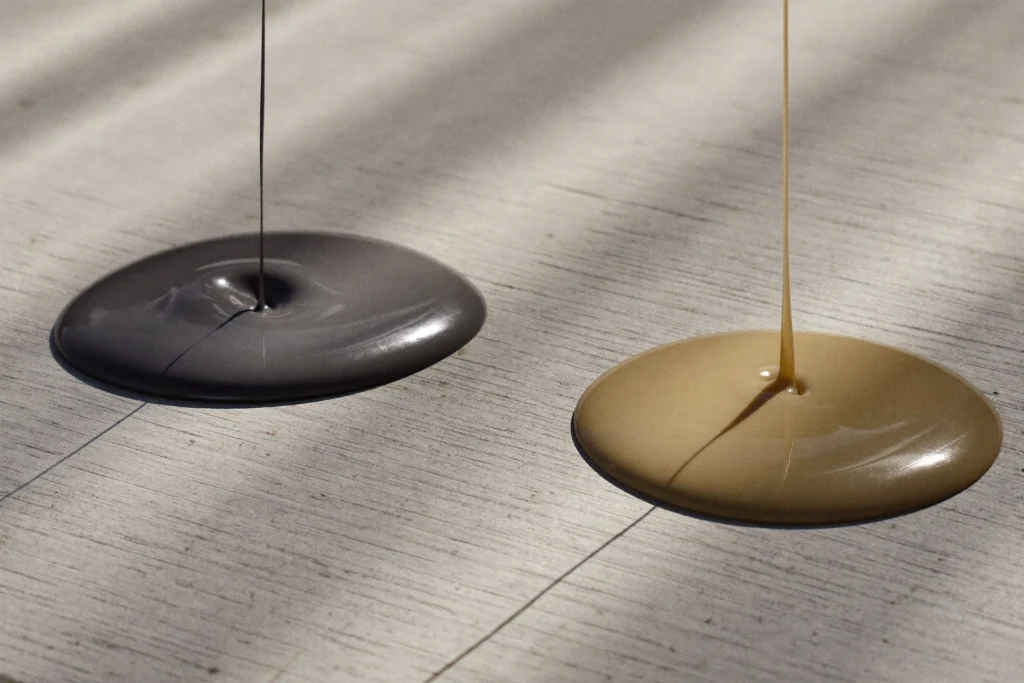
Short answer: epoxy is harder and builds thickness, so it suits heavy-wear floors and base coats; polyurethane is more flexible and UV-stable, so it suits topcoats and floors that see sunlight or temperature change. Many Hychem systems use both — an epoxy base under a polyurethane topcoat.
Whether you’re working in hospitality, running a production line or operating in a similar high-use environment, choosing a suitable type of floor coating for optimal safety and durability, and to serve your intended use is crucial. If you’re wondering what the difference between epoxy, polyutherane and resin floors is, keep reading our blog to find out the answer and determine which type of flooring is best for your needs.What is resin flooring?
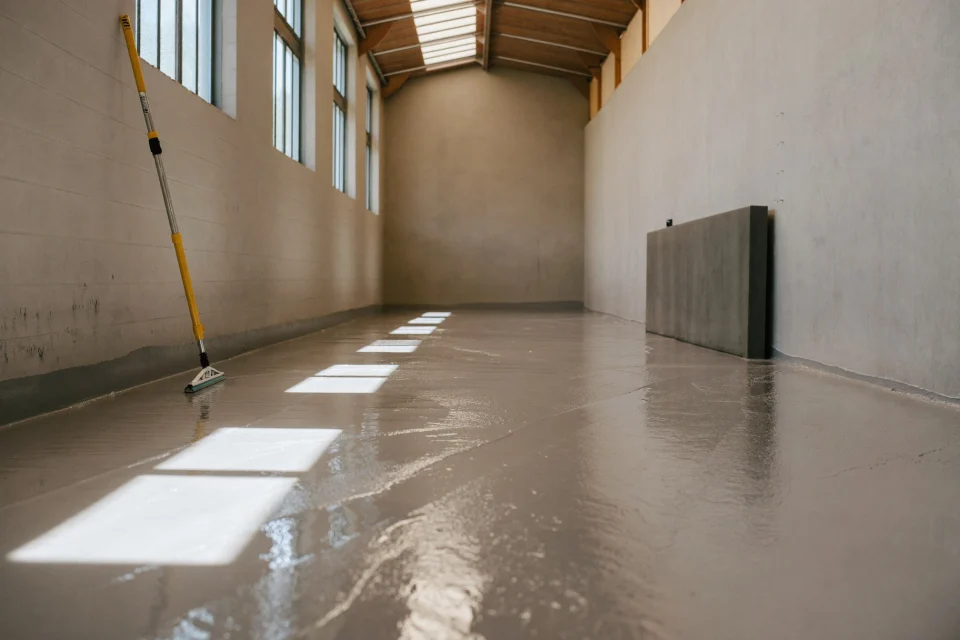
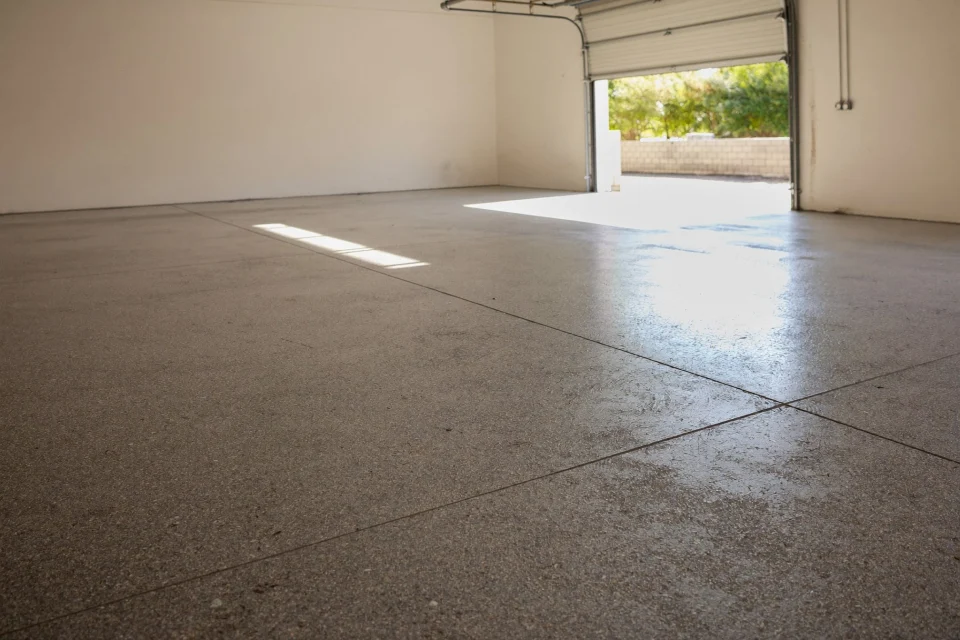
With so many different types of floors, you’ll probably come across many terms when you’re doing your research. Resin flooring refers to the epoxy or polyurethane (PU) coating that is applied to concrete floors, so they’re both types of resins. Investing in a resin floor is a great way to protect your floors from heavy foot or vehicle traffic, increase long-term durability, provide easier cleaning and maintenance, and offer more slip-resistance for safety.Types of resin flooring
There are two different types of resin flooring technology that we will mention in this blog: epoxy and polyutherane (PU). They have different formulations and are designed for separate uses and environments.Polyutherane (PU)
Suppose you’re looking for a floor that offers the most durability and resilience in any condition, including heavy foot and vehicle traffic, chemical use, harsh (hot or cold) temperatures, and wet environments. In that case, PU flooring is ideal for your needs. PU floors’ formulation can vary but generally have a higher cross-link density than other resin types like epoxy. PU flooring is quite heavy and thick compared to other resin floors.Epoxy
Epoxies are the perfect alternative to PU floors if you don’t require as much impact absorption, durability and strength. This kind of flooring offers a high gloss finish that can brighten up any space and keeps it looking fresh and new for a long time. Epoxy floors are scratch, water and sulphur-resistant, and are a great option for many unless you really need the resilience of PU. With epoxy flooring, another benefit is that they do offer more styles, colours, and decorative features than is available for PU floors.Applications
PU and epoxy flooring is commonly used in the following environments:- Hospitality
- Industrial facilities
- Undercover car parking
- Offices
- Gyms
- Garages
- Kitchens
- Retail
- Lobbies
- Hospitals
- Cafeterias
- Restrooms
Learn more about resin floors from the experts
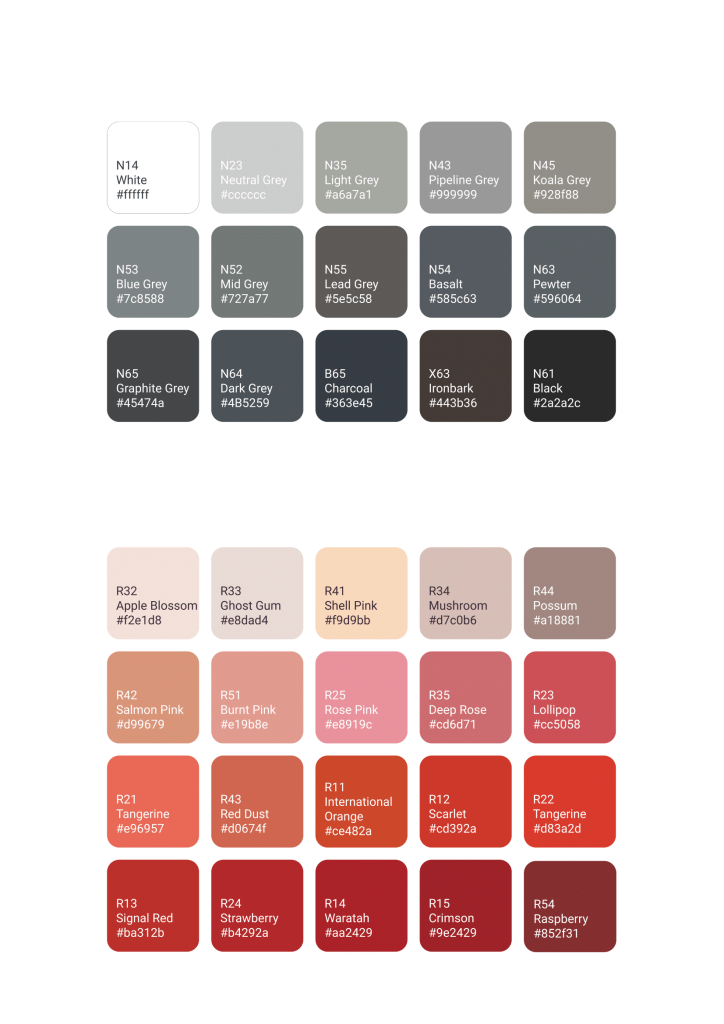
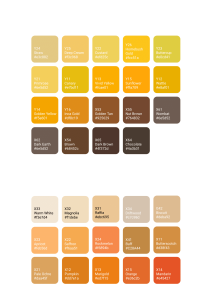
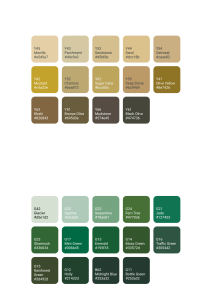
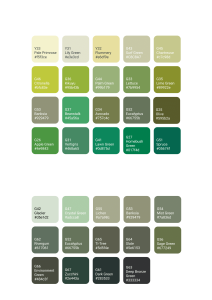
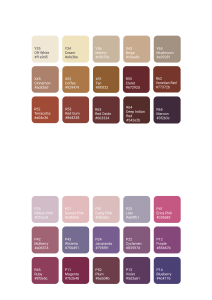
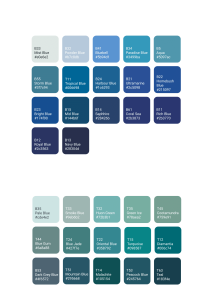
Still got some questions? Get in touch with the resin flooring experts to find out which flooring option is best for your commercial, industrial, or residential needs. With over three decades of experience developing and manufacturing resins and other related solutions, we are the ones you can trust for high-quality resin flooring. Browse the full range of epoxy colours available by Hychem below, or contact us today for more information.