Short answer: specify the slip-resistance class the area needs under AS 4586, build it into the floor with an anti-slip texture, and clean the floor so the texture keeps working.
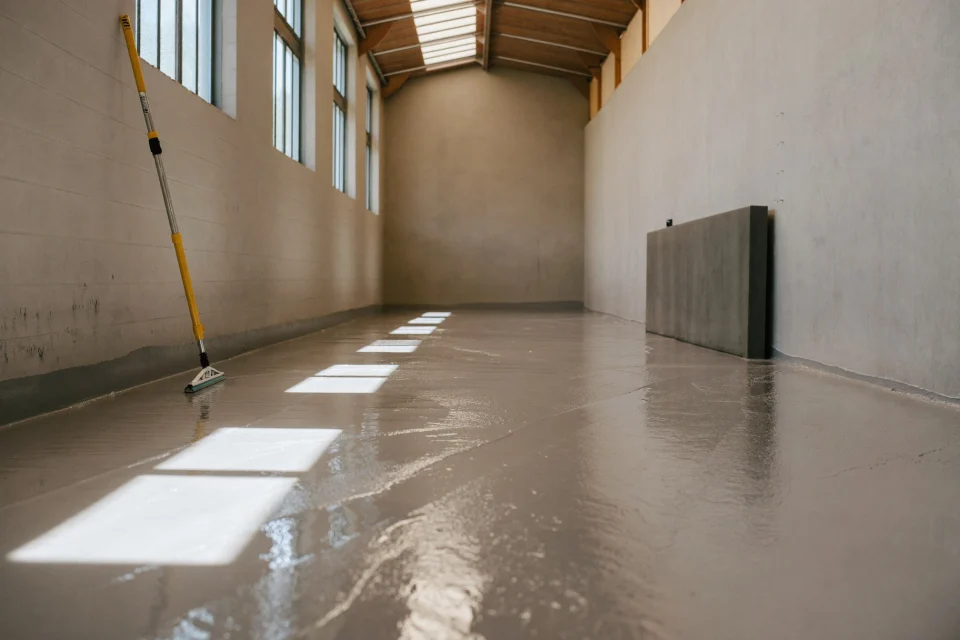
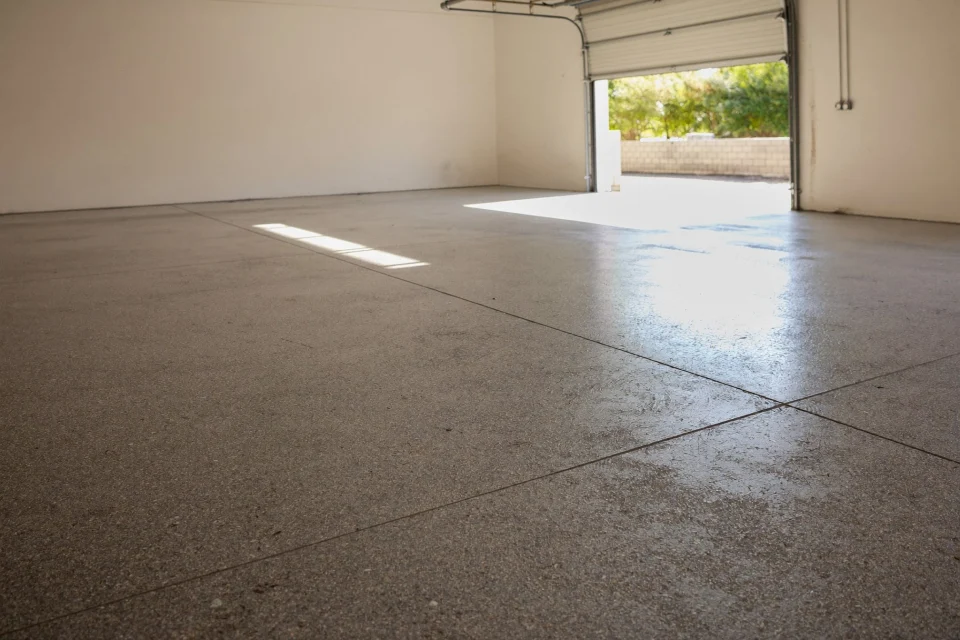
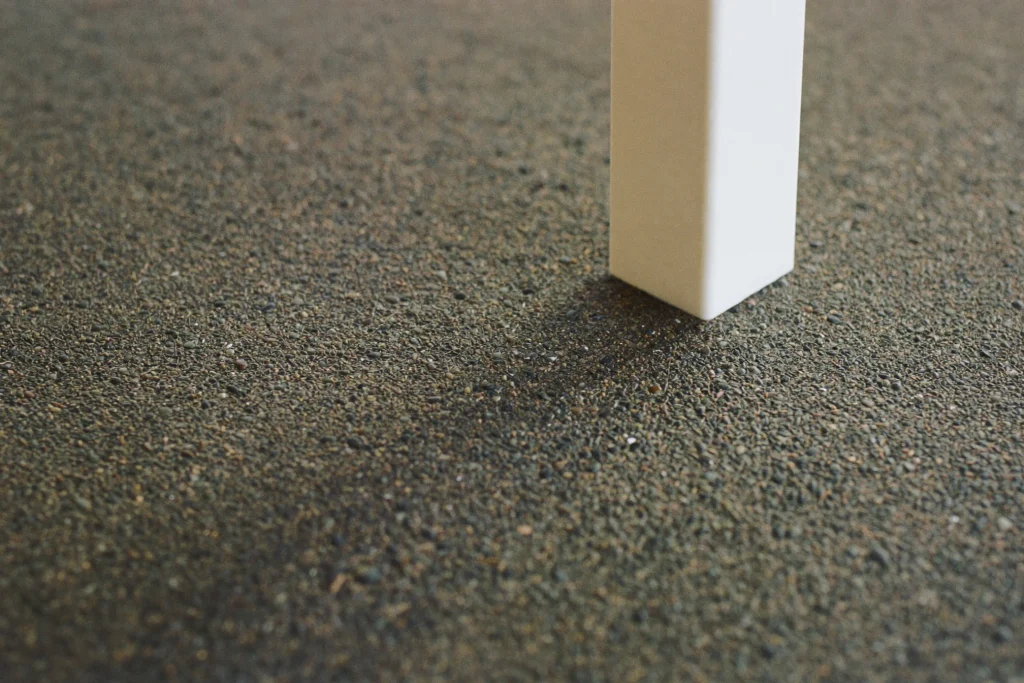
Unsealed or deteriorated concrete flooring increases the risk of slips, trips and falls in the workplace. Trips can occur even if there is a change of one centimetre or less in flooring height, while flooring which is too smooth or glossy can cause slips, especially when there are spillages or other contaminants present. Renewing and sealing concrete flooring with a seamless, slip-resistant coating is best-practice to reduce safety risks for employees. According to Safe Work Australia, trips and falls are amongst the most common causes of workplace injuries. Over a 12-year period between 2003 and 2015, slips, trips or falls caused the death of 386 workers and caused 23 per cent of serious injury claims. Environmental factors were to blame for 56 per cent of the trips, slips and falls, including slippery surfaces following rain or spills, poorly maintained walkways and trip hazards. Most slips occur when a floor surface is either too smooth, uneven, damaged or contaminated. One way to reduce the risk of injuries occurring because of these factors is to install a slip-resistant coating to create positive traction on the surface of a floor. This is done by adding an anti-slip substrate — such as bauxite, aluminium oxide or quartz sand — to the coating mixture before installation to create the desired coefficient level of friction. Chris Bauer, Head of Flooring at Hychem, said, “There will always be uncontrollable variants such as shoe characteristics or walking pace, but the onus is on the employer to maintain a safe workplace for staff members. “The responsibility of employers involves putting measures into place to reduce the chance of an accident occurring wherever possible.”A customisable solution
Some considerations should be made when selecting a coating for concrete floors, including its expected use and foot traffic, the cleaning requirements, and the assessment of floor heights and surfaces to ensure consistency. Hychem formulates and manufactures a number of flooring systems to meet the slip resistance ratings required of various applications.“Depending on the requirements, we can add a range of anti-slip aggregate types and sizes, such as bauxite, aluminium oxide and quartz sand, to meet slip ratings from R9 to R13.”Each application has its own design requirements when it comes to slip resistance so our systems are designed to be tailored to suit every working environment.
Chris BauerHychem Flooring